
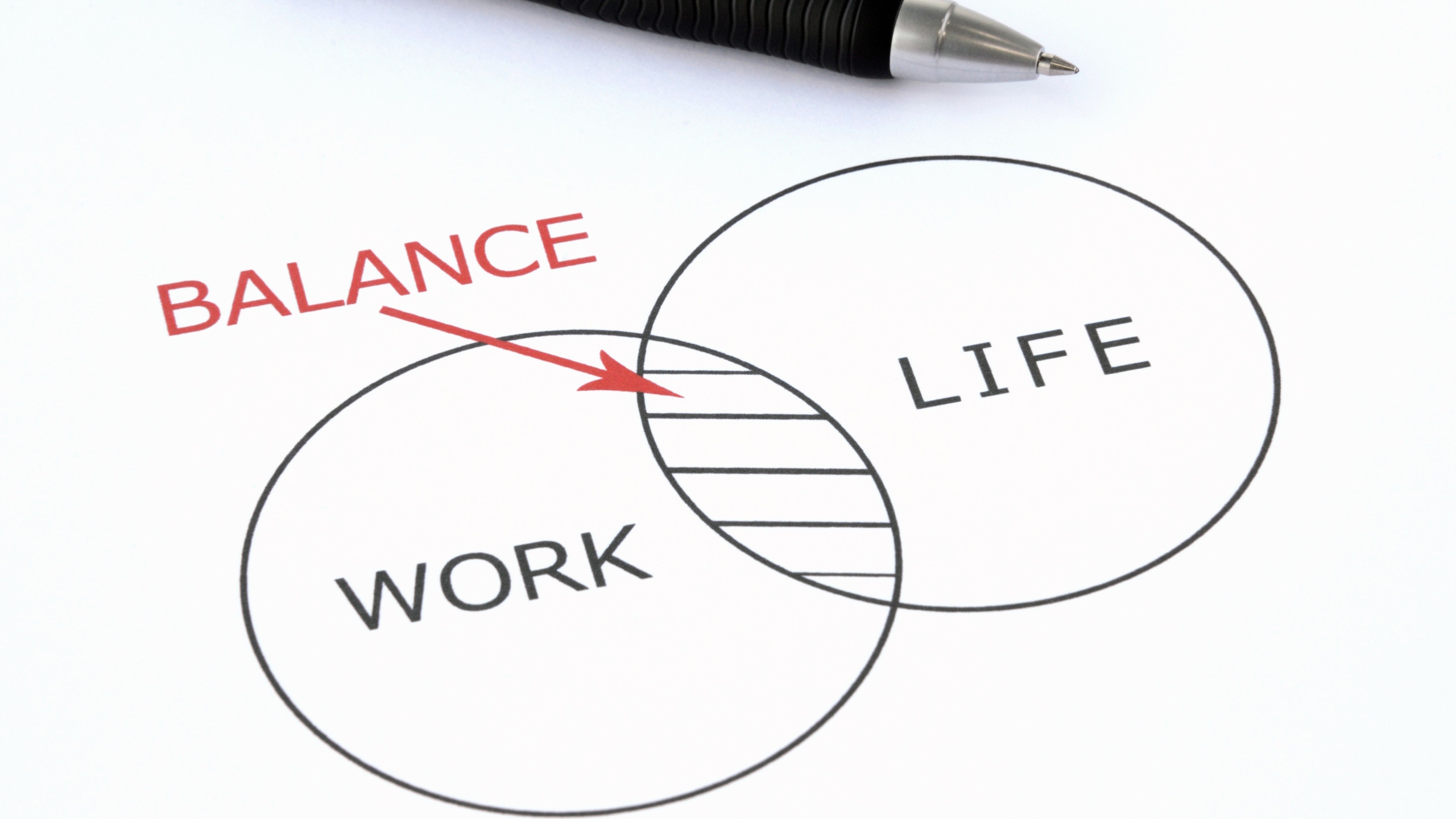
Work-Life Synergy: Strategies for Career Success and Personal Well-Being
Thriving at Work and at Home: A Guide to Sustainable Success
In today’s fast-paced world, advancing your career while maintaining a fulfilling home life can feel like walking a tightrope.
Juggling meetings, deadlines, family responsibilities, and personal well-being can be overwhelming – even for the most organised individuals.
But balance doesn’t mean giving equal energy to everything at all times. It’s about finding a rhythm that aligns with your values, priorities, and current stage of life.
Here’s a practical guide to help you find that rhythm – and create a sustainable roadmap for success at work and at home.
Set Clear Priorities
Balance begins with clarity.
Many professionals feel pulled in every direction because they haven’t taken the time to reflect on what truly matters right now. Is this a season of growth in your career? Or a period where your personal life needs more attention?
Understanding your core values and current priorities allows you to make better decisions and avoid guilt when choosing one responsibility over another.
Try This: Write down your top 5 personal and professional priorities. Revisit this list monthly to make sure your daily actions align with what’s most important to you.
Master Time Management (Without Burning Out)
Productivity isn’t about doing more – it’s about doing what matters better.
Successful professionals use their time intentionally. They don’t just react to their day; they plan it.
Blocking time for work, family, and rest helps ensure you’re not sacrificing one area for the other.
Time management tools like Google Calendar, Trello, and Notion can help you track priorities, set reminders, and reduce mental clutter.
Bonus Tip: Try the Pomodoro Technique (25 minutes of focused work + 5-minute break) to stay productive without burning out.
Embrace Flexibility and Let Go of Perfection
The concept of a perfect balance – where work and life are in constant harmony – is a myth.
Some days your job will need more from you. Other days, your family will.
Flexibility is key. Instead of trying to do everything perfectly, aim for progress and responsiveness.
Remember: You’re not failing when something slips – you’re human.
Build a Reliable Support System
Trying to manage it all alone is a sure path to burnout.
Create a network of support – both at work and home. At work, this may mean delegating or collaborating more effectively. At home, this might involve asking your partner or family for help, using meal prep services, or hiring part-time childcare.
Tip: Communicate openly with your team and family about your commitments, and invite them into your planning. When people understand your goals, they’re more likely to support them.
Set Boundaries and Stick to Them
Work-life balance starts with setting firm boundaries.
Turn off email notifications after hours.
Set “no meeting” times for family moments or deep work.
Don’t be afraid to say no to extra projects or social obligations if they compromise your well-being.
Try saying: “Thanks for thinking of me. At the moment, I’m at full capacity, and I want to give this project the attention it deserves.”
Prioritise Your Physical and Mental Health
A strong foundation in health supports everything else.
Make time for:
- Sleep (7–8 hours per night)
- Movement (even a 20-minute walk counts)
- Mindfulness (meditation, journalling, or quiet reflection)
- Nutrition (prepare simple meals that nourish you)
Idea: Start your day with a 10-minute morning routine – stretching, gratitude journalling, or simply sitting in silence. It grounds your mind and boosts your energy.
Reframe Your Definition of Success
Society often equates success with promotions, titles, and income. But success also looks like:
- Having time for dinner with your family
- Waking up without anxiety
- Feeling present at your child’s school concert
- Saying “I’m proud of my life” without hesitation
Redefining success on your own terms gives you more control – and more peace.
Reflect: What does success look like for you in this season? Write it down.
Communicate Honestly and Often
Balance requires open conversations – both at home and in the workplace.
Tell your partner or family when work gets intense. Let your manager know when your child is ill and you need a flexible day.
Vulnerability fosters trust and allows people to meet you with understanding rather than judgement.
Practice this: “Here’s what I’m currently managing. I’d like to find a solution that works for both of us – can we talk through it?”
Acknowledge and Celebrate the Small Wins
Balance isn’t just about grand outcomes – it’s about recognising progress.
Did you make time for a 15-minute walk today? That counts. Did you meet a work deadline while still making it to your child’s sports match? That counts, too.
Idea: Keep a “Win Jar” or a digital list to track your daily or weekly wins. Reflecting on these helps you stay positive and motivated.
Regularly Review and Adjust
What works this month might not work next – and that’s completely normal. Life is fluid.
Balance is about adjusting with intention, not maintaining a rigid routine.
Set time aside each month to reflect:
- What’s working well?
- What feels overwhelming?
- What needs to change?
Then adjust your schedule, responsibilities, or mindset accordingly.
Final Thoughts: Balance Is a Practice, Not a Destination
Balancing your career with a fulfilling home life isn’t about perfection – it’s about awareness, boundaries, and meaningful action.
There will be seasons where one part of life requires more attention than the other. What matters most is being intentional, flexible, and kind to yourself along the way.
With the right mindset, habits, and support systems in place, you can pursue your goals and protect your well-being.
So take a deep breath. You’re not behind – you’re just getting started.